The science of snow
At the moment’s publish comes from Brianne Brothers, a previous zone ecologist from our southwestern parks.
Ah, snow. A substance that really embodies what it means to be Canadian.
Whereas many people wrestle with the concept of having fun with one thing that inflicts laborious bodily labour and white-knuckled driving, it actually is clear, recent, and delightful.
In that mild, please seize a cup of espresso and a comfortable window seat, and let’s discover the science of snow.
The creation of snow
Snow formation is determined by two components: temperature and moisture.
Merely put, when the atmospheric temperature is at or beneath 0 levels Celsius, moisture grabs on to mud or pollen particles and ultimately grows right into a snowflake!
Temperature is the important thing right here as a result of, with out chilly air, this course of would produce raindrops slightly than snowflakes. Like rain, when these snowflakes change into too heavy, they fall to the bottom and supply us with a winter wonderland (and shoveling, sorry).
Kinds of snow
Again to our two necessary substances: temperature and moisture.
Heat temperatures point out increased moisture ranges, creating moist snow. Beneath these circumstances the perimeters of every snowflake soften inflicting them to stay collectively, creating large, heavy (heavy is relative once we are referring to a snowflake!) flakes.
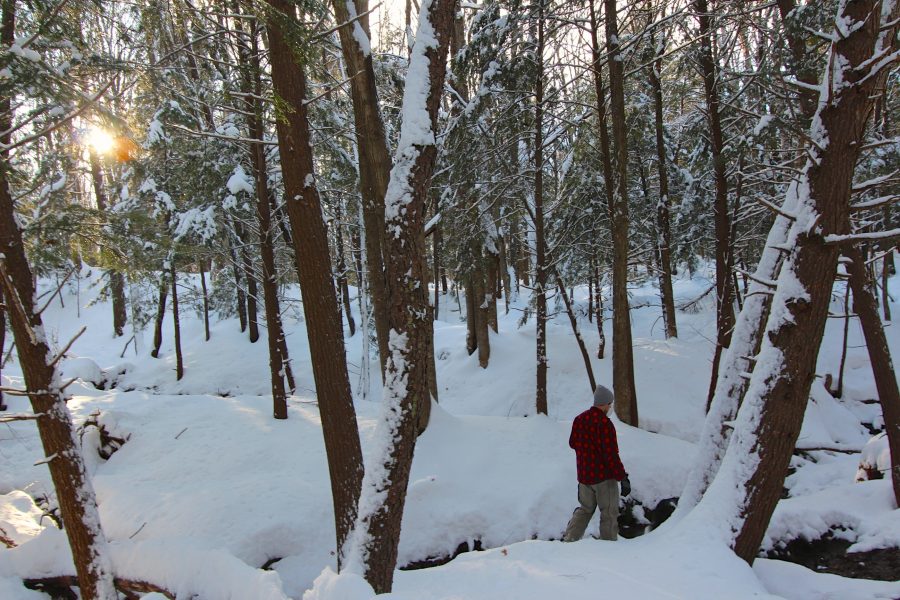
Moist snow is ideal for rolling snowmen and catching flakes on our tongues. It’s also the kind of snow that makes one cry a little bit when a snowplow rumbles throughout the tip of the driveway, after you shovel (each time!).
Chilly and low moisture circumstances create dry snow. These snowflakes don’t stick collectively and due to this fact are a lot smaller, lighter, and fluffier. These flakes are also known as “powder,” and are a favorite at ski resorts.
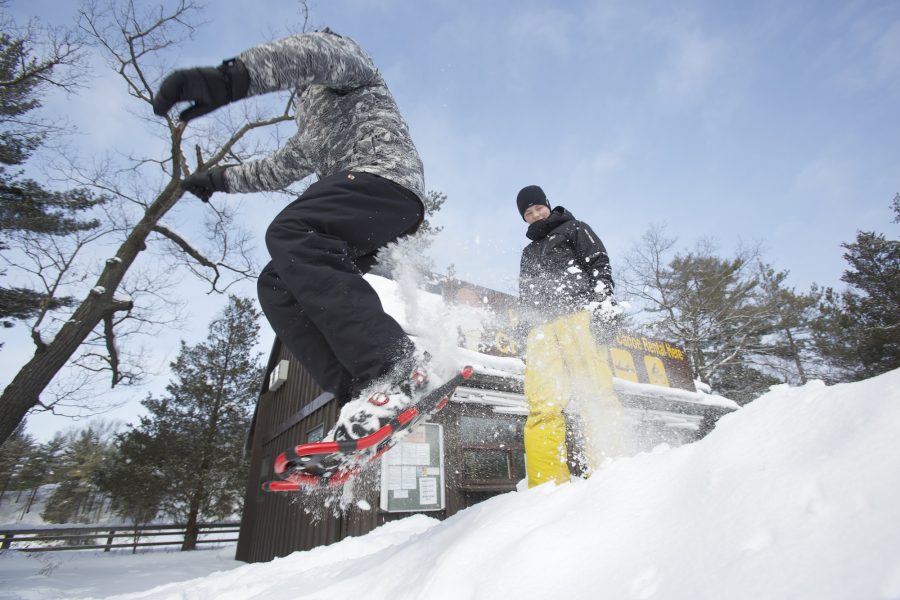
It’s a standard false impression that chilly climates additionally obtain giant portions snow.
In actual fact, many of those places have little-to-no moisture (considering again to our two substances!), and due to this fact have desert-like circumstances, corresponding to Antartica’s Dry Valleys, which have virtually no snow or ice cowl. (Be aware: do not put on sandals to this desert.)
How do crops survive in winter?
Crops are grasp adapters. Through the winter, there’s a lack of water, and due to this, deciduous bushes, such a maple bushes, shed their leaves and go dormant (that is referred to as “senescence”) to avoid wasting treasured power.
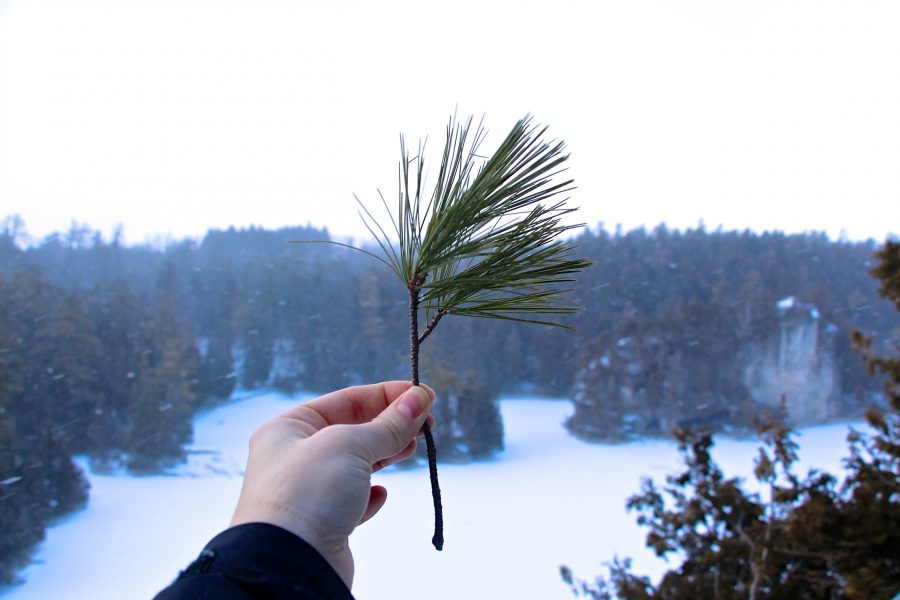
Coniferous bushes, corresponding to White Pine, hold their foliage, however depend on a waxy-coating to forestall water loss.
The form of coniferous bushes can be a neat adaptation; the conical silhouette of those species permits snow to simply slide off, stopping harm from the snow load.
How does snow science relate to wildlife?
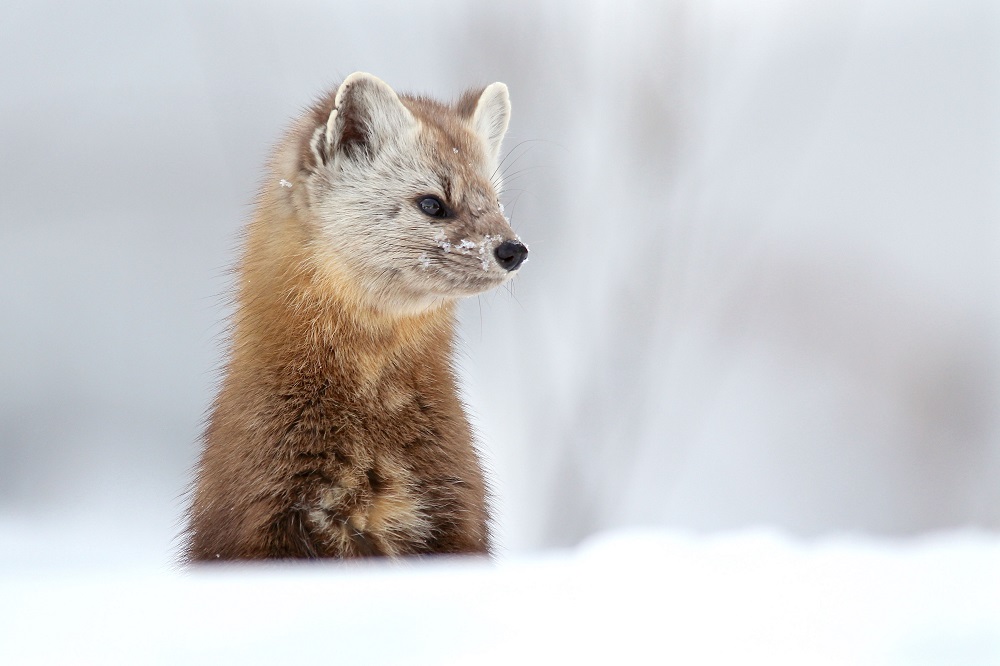
Snowflakes endure a number of adjustments all through their journey time to the earth. These a number of personalities are the results of adjustments in air moisture, the temperature, and different environmental components.
As soon as snow hits the bottom, it continues to vary over time and this course of is known as age-hardening. Because the snow ages and undergoes durations of warming and cooling, it adjustments composition and creates totally different layers.
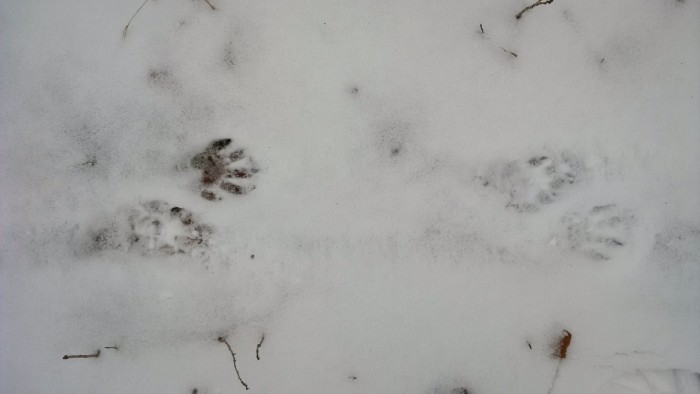
Layers closest to the bottom are a lot hotter than the highest layers, and this warming creates weak, sugar-like snow that’s a lot much less dense than different areas of the snowpack.
This weak layer is named the depth hoar, and it permits animals to freely transfer and create tunnel networks beneath the snowpack. This under-the-snow world is known as the subnivean zone.
Subsequent time you’re standing in deep snow, keep in mind that species like mice, voles, and shrews are proper beneath you having a celebration on this subnivean surroundings!
Glossary of snowy phrases
Professional tip: use these phrases as usually as potential to boost snow geek credit score!
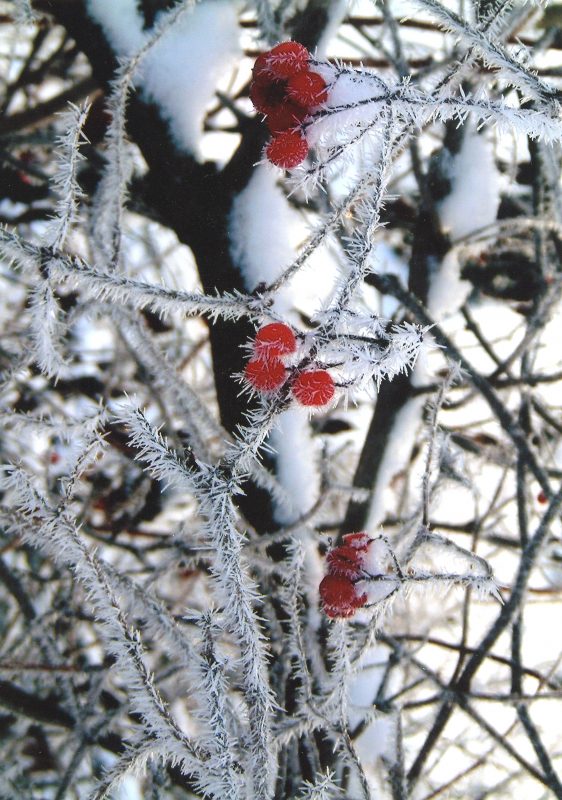
- Hoar frost: Mainly, that is hardcore frost. It happens when vapour within the air is available in contact with a subfreezing floor (like a metallic fence), and goes on to the strong state of ice crystals. Excessive moisture and wind can create some tremendous cool winter formations, just like the one beneath:
- Snow bathe: Snow falling at various intensities for a brief time period.
- Snow flurries: Gentle snow for a brief time period. Little accumulation is anticipated with flurries.
- Snow squalls: Temporary, however intense snow showers that will carry substantial accumulation. (Shout out to Ontarians dwelling close to the Nice Lakes; you of us know what that is!)
- Sleet: Raindrops that freeze earlier than hitting the bottom. These usually bounce and damage for those who lookup.
- Freezing rain: Rain that freezes upon contact with a floor. Keep clear of these things.
- Blowing snow: Snow that’s lifted 2.4+ m into the air by wind.
- Drifting snow: This is similar strategy of blowing snow, however the snow stays beneath 2.4 metres. This additionally creates these neat, wave-like drifts alongside highways
Don’t hibernate!
Winter snow could be a number of enjoyable. Why not bundle up and plan your subsequent journey!