Rising Wilderness in the UK
By Thom Luloff, Grasp Gardener in Coaching
This autumn, I’ve had the unimaginable expertise of doing a educating trade at Hartpury College in Gloucestershire, England. In between educating, mountaineering, and chook banding, I used to be capable of cycle over 300 miles of gorgeous English nation lanes, stopping at castles, nature reserves, and a few unimaginable gardens alongside the way in which.

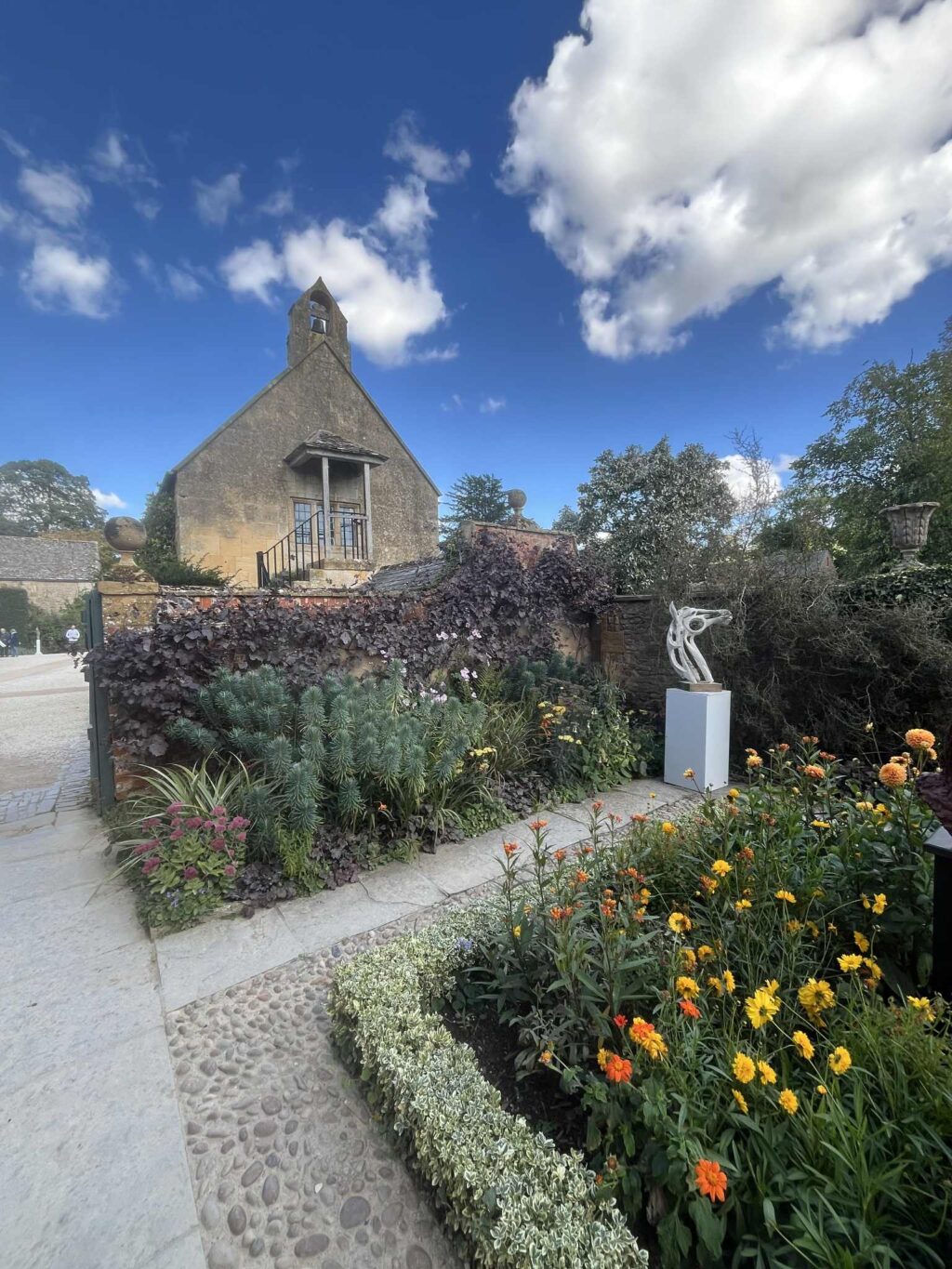
Strolling by the gates of Hidcote Manor within the Cotswolds, it’s simple to really feel as if you’ve stepped right into a portray. The clipped hedges, winding paths, and thoroughly designed backyard rooms are alive with the hum of pollinators and the flutter of birds. Down the highway at Sudeley Citadel, wildflower meadows are stitched into the panorama, a part of a rising motion within the UK to “rewild” gardens, restore soils by regenerative farming practices, and construct habitats that deliver nature (sure, hedgehogs!) again into cultivated areas. Interactive songbird huts, topiary animals, and forest college playforts do their greatest to situate nature on the coronary heart for all ages.

As a Conservation Biologist, this expertise has supplied superb perspective. In Britain, each hedge, flower border, and restored meadow is a selection made towards the backdrop of land strain. With centuries of agricultural intensification and concrete sprawl, biodiversity has been whittled down and what’s left could be very small, remoted, and nonetheless closely managed by people. The birds that flit within the hedgerows, the butterflies within the lengthy grasses, and the uncommon orchids tucked into meadow corners are treasures exactly as a result of they’re fragile—and uncommon.

This sense of loss mixed with preciousness shapes the way in which the British method gardening: nature is folded into design not as decoration however as necessity. Even the grandest estates now showcase pollinator gardens, bird-friendly planting, and soil-friendly strategies that acknowledge the land’s limits. My educating accomplice within the division right here summed this up pithily when she mentioned: “We don’t preserve wilderness, we’ve to develop it alongside our tomatoes.”

This previous summer time, a lot of Britain confronted a extreme drought. Gardens as soon as lush with inexperienced lawns and blooming perennials turned brittle and brown, testing the resilience of even essentially the most historic estates. For guests, it was a stark reminder that local weather change is rewriting the foundations of gardening in all places. These manicured, clipped expanses of inexperienced that when symbolized order and wealth at the moment are more and more considered as unsustainable. Stress is mounting for landowners to let go of the proper garden and as an alternative embrace wilder, woodier landscapes that retailer carbon, present shade, and create habitat for wildlife. What was as soon as thought of unruly is being reimagined as resilience—an acceptance that within the face of local weather change, neatness can not take priority over nature.
For Canadians, the distinction is putting. Canada is a rustic of seeming abundance: boreal forests that stretch for 1000’s of kilometers, wetlands that teem with migratory birds, and prairies that also maintain echoes of bison herds. Range right here can really feel limitless, and due to that, generally it’s taken without any consideration.
But, abundance mustn’t breed complacency. Canada faces its personal ecological crises—lack of grasslands, declining pollinator populations, and habitat fragmentation in each province. There may be a lot to study from Britain’s cautious stewardship of what little stays, particularly in recognizing {that a} backyard is not only private house, however a part of a shared ecological cloth.
Standing between the flower borders of Hidcote and the meadows of Sudeley, the lesson is evident. British gardens present how intentionality can rework even restricted landscapes into havens of biodiversity, whereas Canadian gardens remind us of the wealth we nonetheless have—and the accountability to guard it. In each locations, the backyard is greater than a non-public retreat. It’s a dwelling classroom, educating us find out how to look after what’s treasured, whether or not uncommon or plentiful, in a altering world.
Thom Luloff is a Professor of Conservation Biology at Fleming Faculty.