Poisonous Indoor Vegetation and Your Pets: A Information

by Emma Murphy, Grasp Gardener
Whereas I like to consider myself as a good out of doors gardener, the identical can’t be stated of my indoor houseplant experience.
Nevertheless, I’ve labored laborious at it through the years and we’ve had some pretty Clivia, numerous cactus, some Pothos, a Norfolk Island pine, and a goldfish plant (Columnea gloriosa) in my workplace at numerous instances.

This was pre-2018, when my indoor kitties had no real interest in my houseplants, and no nibbles had been had.
That every one modified when these two arrived in October 2018 – meet Lulu and Roxy.

Whereas I like each of them, Lulu’s favorite actions are digging within the filth and chewing on crops. Roxy simply likes to rub up in opposition to them, knock them over after which perhaps have a nibble.
Whereas indoor crops can add magnificence and life to your property, it’s important to pay attention to their potential toxicity to our furry pals. Sure crops may be dangerous and even deadly to pets, particularly cats and canine. Understanding which crops are secure and which to keep away from is essential for making certain a pet-friendly surroundings.
Many widespread indoor crops are poisonous to pets, equivalent to Pothos (Satan’s Ivy), which causes vomiting and oral irritation in cats and canine, lilies (that are significantly harmful for cats) and sago palms, that are extraordinarily poisonous, particularly to canine, inflicting extreme liver injury. The Ontario SPCA has an inventory of the 17 most toxic crops, but it surely’s not an exhaustive listing.
When you suspect your pet has ingested a poisonous plant, it’s greatest to seek the advice of a veterinarian instantly. Search for indicators equivalent to problem respiratory, vomiting, diarrhea, or lethargy. It’s all the time higher to be secure than sorry.
Dependable Assets on Plant Toxicity for Pet Homeowners
Listed here are some respected web sites providing recommendation on pet security and plant toxicity:
The American Society for the Prevention of Cruelty to Animals’ (ASPCA’s) Animal Poison Management Middle
A complete and wonderful searchable listing of poisonous and non-toxic crops.
Pet Poison Helpline Canada
Help for pet homeowners who suspect poisoning, together with plant toxicity sources (there’s a value).
PetMD
Vegetation toxic to cats
Vegetation toxic to canine
Detailed info on animal well being and security, together with plant toxicity.
So What Vegetation Can I Have In My Home?
When you’re seeking to improve your property with pet-friendly crops, listed below are a number of choices so that you can take into account. Personally, I discover the palms, ferns and spider crops nonetheless robust to have in our home as a result of I believe our cats will gravitate to something that’s grass-like.
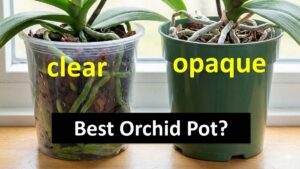
Sadly in case your cat or canine is a ordinary nibbler, you is perhaps higher off with out houseplants altogether. We love our kitties greater than we love our houseplants. For now I’ll simply stick with my Phalaenopsis orchids and my numerous seasonal cactus and focus my gardening efforts on the surface of our home.
Spider Plant (Chlorophytum comosum)
African Violet (Saintpaulia ionantha)
Prayer Plant (Maranta leuconeura)
Orchids (Phalaenopsis spp.)
Easter, Christmas or Thanksgiving Cactus (Schlumbergera or Rhipsalidopsi spp.)
Bromeliads (Bromeliaceae)
Bamboo Palm (Chamaedorea seifrizii)
Sword/Boston Fern (Nephrolepis exaltata)
Nerve Plant (Fittonia)
Ponytail Palm (Beaucarnea recurvata)
Hoya (Hoya carnosa)
Gerber Daisy (Gerbera jamesonii)
Areca Palm (Dypsis lutescens)
Calathea (Calathea spp.)
Girl Palm (Rhapis excelsa)
Fortunate Bamboo (Dracaena sanderiana)
Friendship Plant (Pilea involucrata)