Understanding Backyard Dormancy | The Peterborough & Space Grasp Gardeners

By Mary-Jane Pilgrim, Grasp Gardener
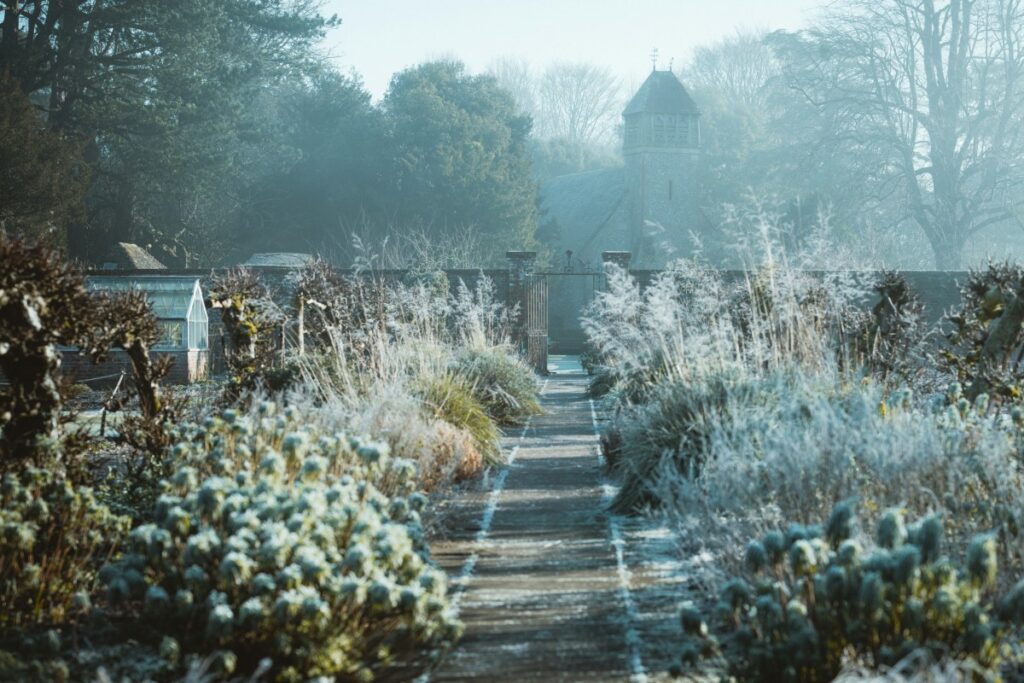
Do you ever marvel what’s happening within the backyard when temperatures drop under freezing? How do perennials, shrubs and timber face up to the chilly and dehydration of winter? As we put together for the colder season above floor, a means of adapting to this alteration can be happening under floor.
What’s Backyard Dormancy?
Dormancy is a interval of lowered progress in vegetation, permitting them to outlive intense circumstances corresponding to chilly temperatures or drought. Throughout dormancy:
- Timber and shrubs shed their leaves, lowering water loss and defending in opposition to freezing temperatures.
- Perennials retreat underground, focusing their power on the roots slightly than above-ground progress.
Dormancy is actually a plant’s model of hibernation. Though the plant could seem lifeless, it’s very a lot alive, simply in a resting state.

Why Do Vegetation Go Dormant?
- Survival Mechanism: Dormancy helps vegetation endure harsh circumstances, stopping them from rising in unseasonal heat spells solely to be killed by a subsequent freeze.
- Relaxation and Rejuvenation: It permits vegetation to relaxation, develop stronger root methods and trunks, and accumulate the power wanted for vigorous progress within the spring.
- Timing and Environmental Cues: Vegetation reply to environmental cues like shorter day lengths, lowering temperatures, and lowered mild to sign the onset of autumn and the necessity to put together for dormancy.
The Gardener’s Position Throughout Dormancy
- Understanding the Cycle: Gardeners be taught to acknowledge the indicators of dormancy and perceive its significance for plant well being and the general backyard ecosystem.
- Winter Safety: Correct care throughout dormancy, corresponding to utilizing mulch or wrapping to guard in opposition to frost, helps safeguard vegetation from potential harm.
- Be affected person: In spring, don’t panic if some perennials take longer to re-emerge. Late risers like perennial hibiscus, Rose of Sharon and a few decorative grasses could take a number of weeks longer than others to point out indicators of progress.
- Relaxation and Leisure: Identical to the vegetation of their gardens want relaxation, so too does the gardener. The slower seasons of fall and winter enable us to take inventory of our gardens — what labored, what didn’t work, what wants to alter — in order that we method subsequent spring and summer time rejuvenated!
Sources
Dormancy: A Key to Winter Survival
When Vegetation Go Dormant: How Hibernating Helps Them Survive