Dos and don’ts for fall paddling from a backcountry park Superintendent
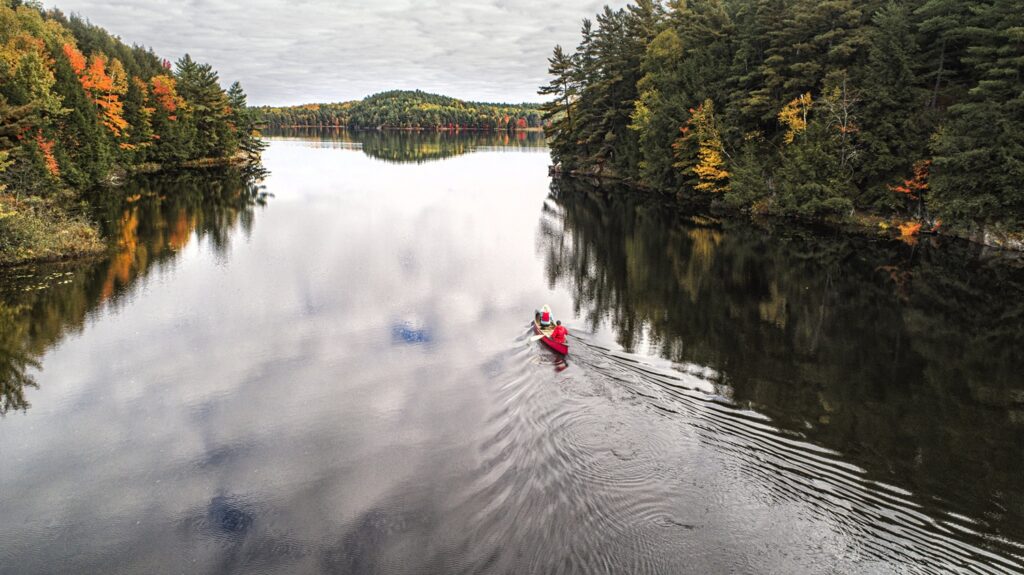
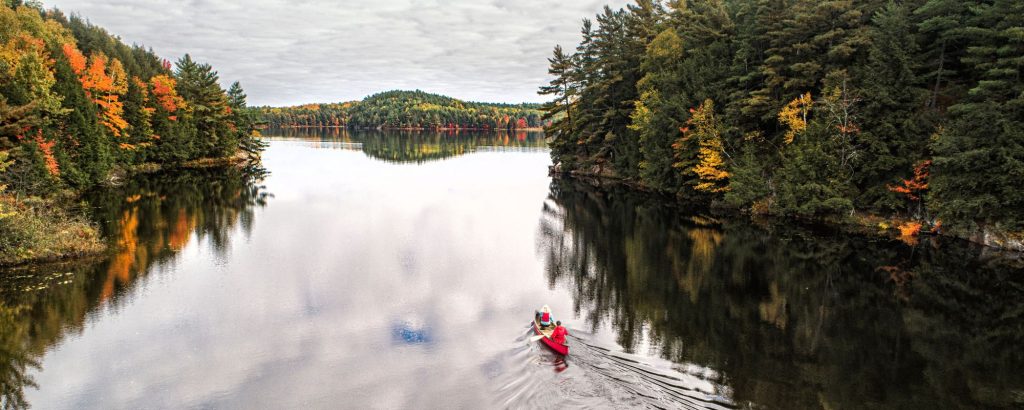
Fall is the right time to paddle.
Because the temperatures cool there aren’t any bugs and the lakes turn into much less crowded. Plus you’ll be able to catch a few of our lovely fall colors!
However fall climate may be fickle. Hitting the lake too late, failing to respect climate circumstances, or paddling past your ability stage isn’t simply dangerous — it’s downright harmful.
We chatted with Paul Smith, previous superintendent of Kawartha Highlands Provincial Park, to get some prime do’s and don’ts for fall paddling security:
~
1. Don’t skimp on the planning
Test the forecast, research your route, and don’t hesitate to name the park in case you’ve received questions.
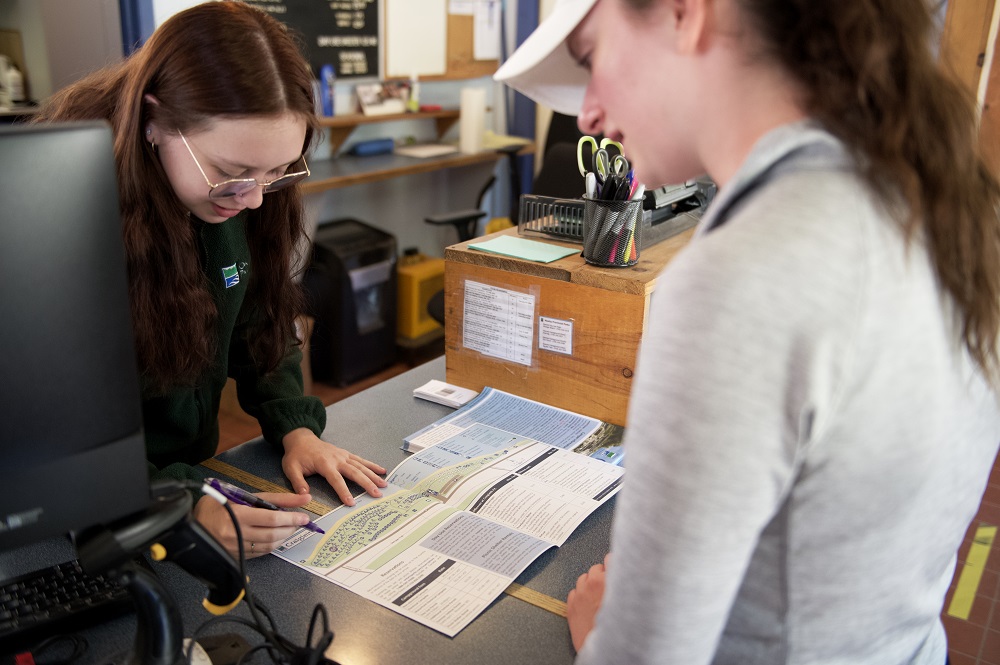
And be sure you share your itinerary with somebody you belief. If something goes unsuitable, you need emergency crews to be contacted (and in a position to find you) as shortly as attainable.
~
2. Pack prefer it’s winter
Sure, we all know the times may appear heat now, however belief us: in case you get soaked in a fall storm, it’ll really feel like winter. Pack every little thing you want to maintain your group dry and heat, regardless of the climate.
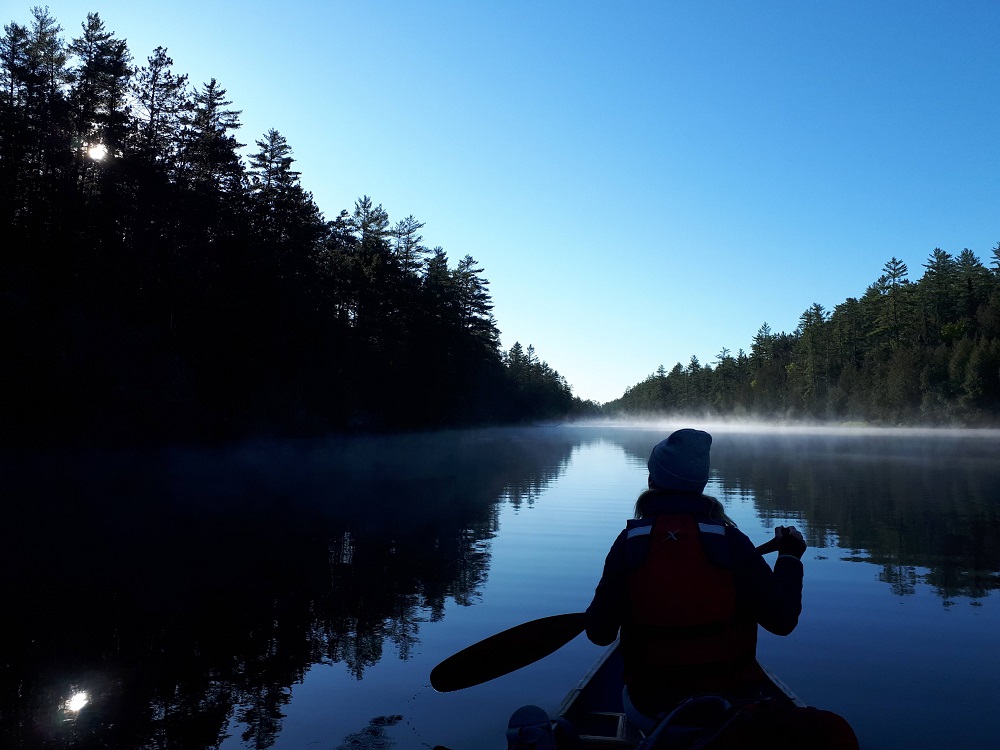
Should you’ve packed proper, it is best to have every little thing you might want to survive by yourself for an prolonged time period (within the occasion of a worst-case situation).
~
3. Waterproof your necessities
Hold your survival gear dry. Carry your satellite tv for pc cellphone/spot unit/cellular phone in waterproof case. You’ll additionally desire a waterproof container with matches and emergency provides (together with a map, compass and first help equipment). Don’t underestimate the significance of dry blankets (not less than one or two per particular person) within the occasion of a flip.
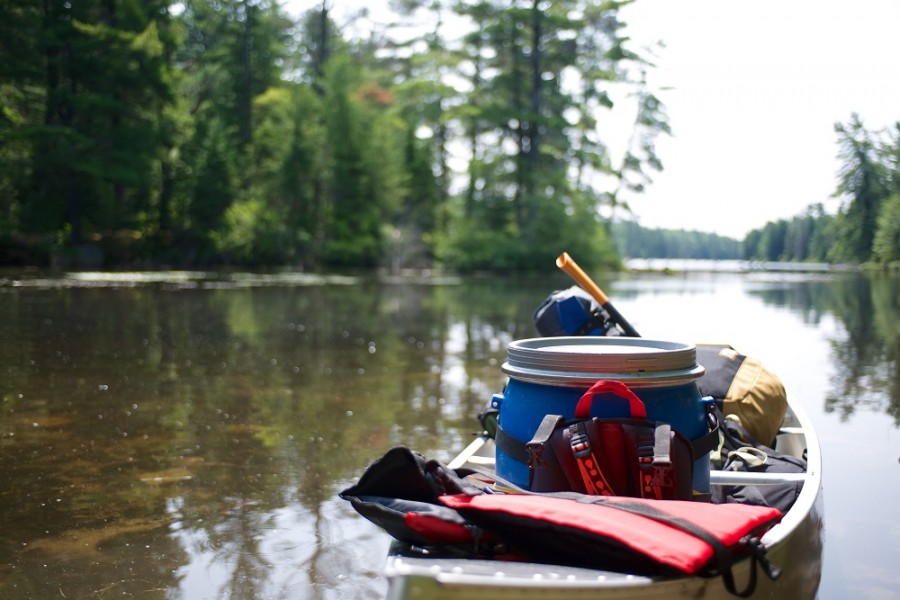
Your emergency gear’s no good to you on the backside of the lake. Hold it in your particular person and/or lashed to your (float-bagged) canoe.
~
4. Waterproof your self
Be sure to pack weather-appropriate clothes. Which means winter gear, together with layers, a water-proof shell, and heat gloves. Good climate in your driveway doesn’t at all times imply good climate on the water.
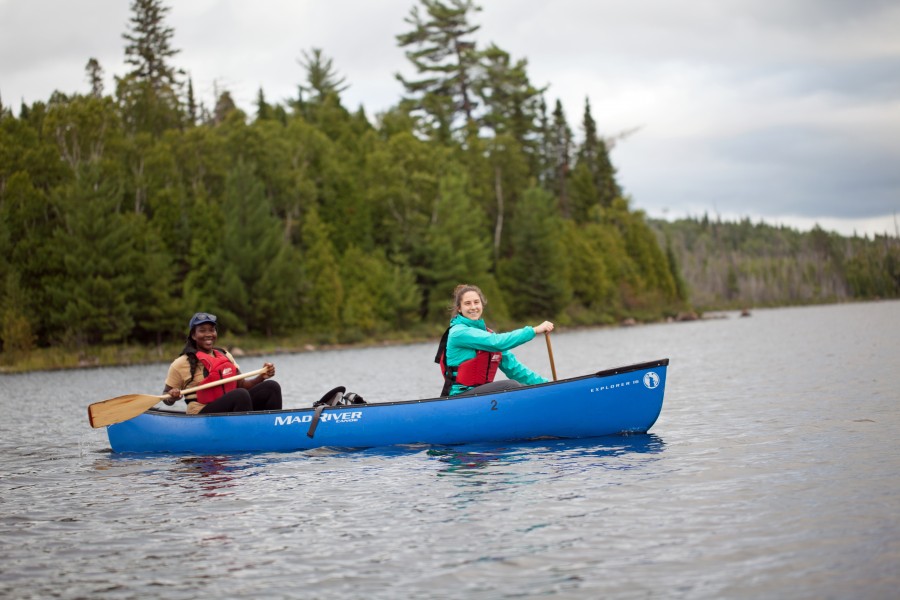
And belief us: maintain these waterproofed matches in your particular person.
~
5. Paddle good
Know your ability stage and keep out of tough water. Paddle throughout daylight.
Persist with the shoreline; don’t reduce via the center of the lake. The water shall be calmer and in case you flip, you’re that a lot nearer to shore.
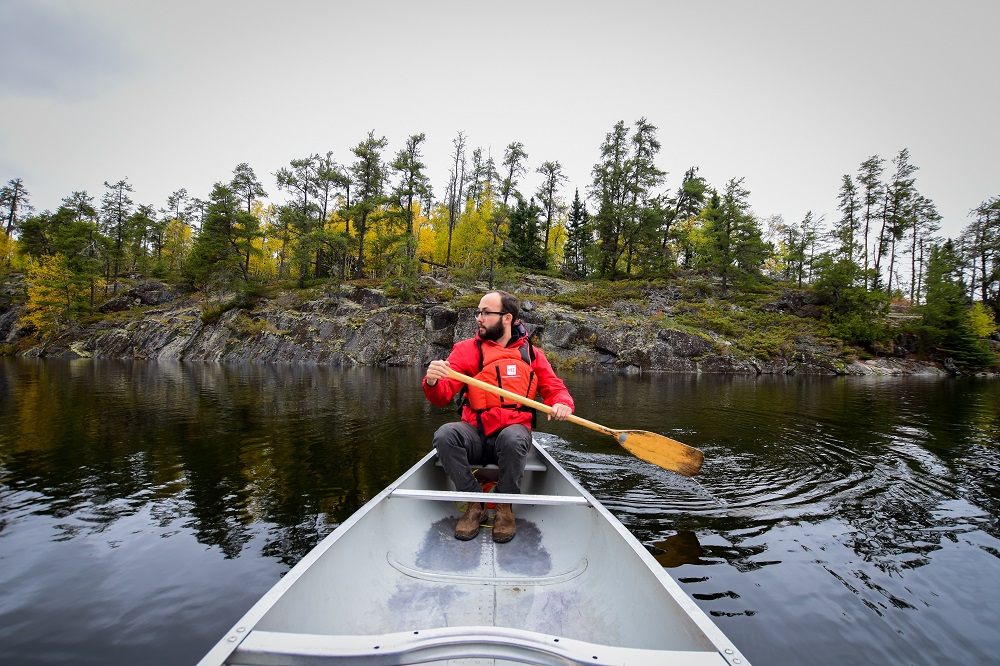
Don’t overload your canoe. It’d imply two journeys, however it may be the distinction between staying dry and arriving safely, and getting drenched together with your gear underwater.
And, after all: at all times, at all times put on your PFD, lifejacket, or flotation go well with.
~
6. Know what to do if one thing goes unsuitable
Regardless of your finest efforts, the worst occurs. Your canoe ideas. Somebody is injured. You’re stranded by tough climate.
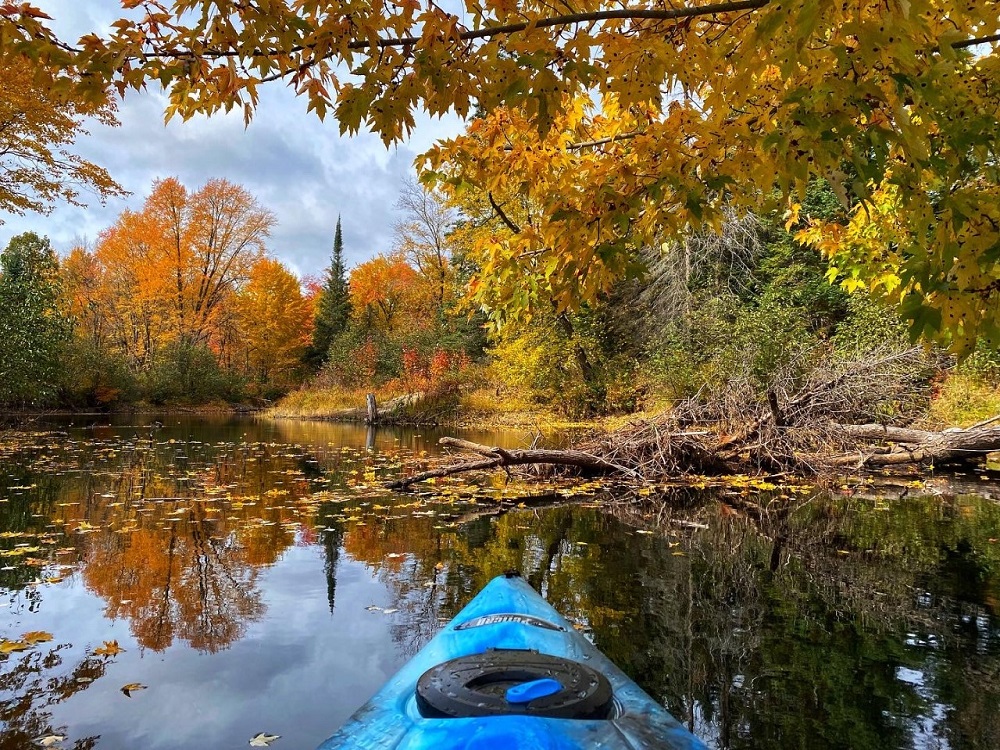
Undecided what to do in these conditions? That’s sign that you just may not be prepared for this journey.
If in case you have extra studying to do, take a look at the Ontario Leisure Canoeing and Kayaking Affiliation, Paddle Canada, or our occasions web page to seek out courses.
~
7. Don’t be embarrassed to go house
We imply it. Certain, it may be irritating to show again, however that is usually the neatest possibility. It’s simply not well worth the danger.
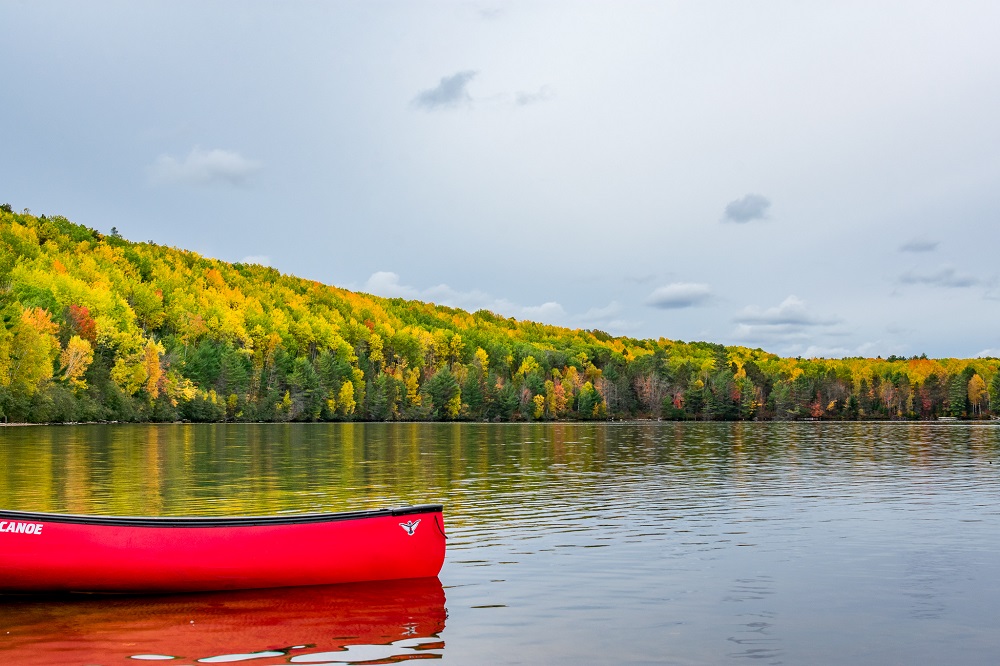
Some indicators it’s time to pack it in:
- there’s ice on the lake (even alongside the shoreline)
- there are whitecaps on the water
- you are feeling uncertain of your means (and/or the power of your fellow campers)
~